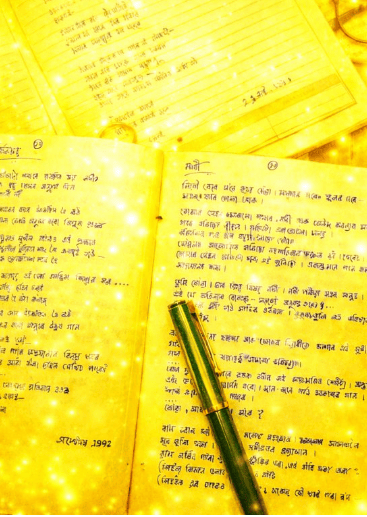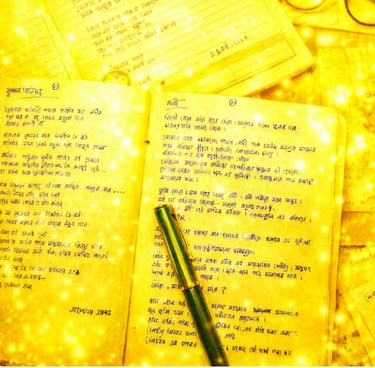
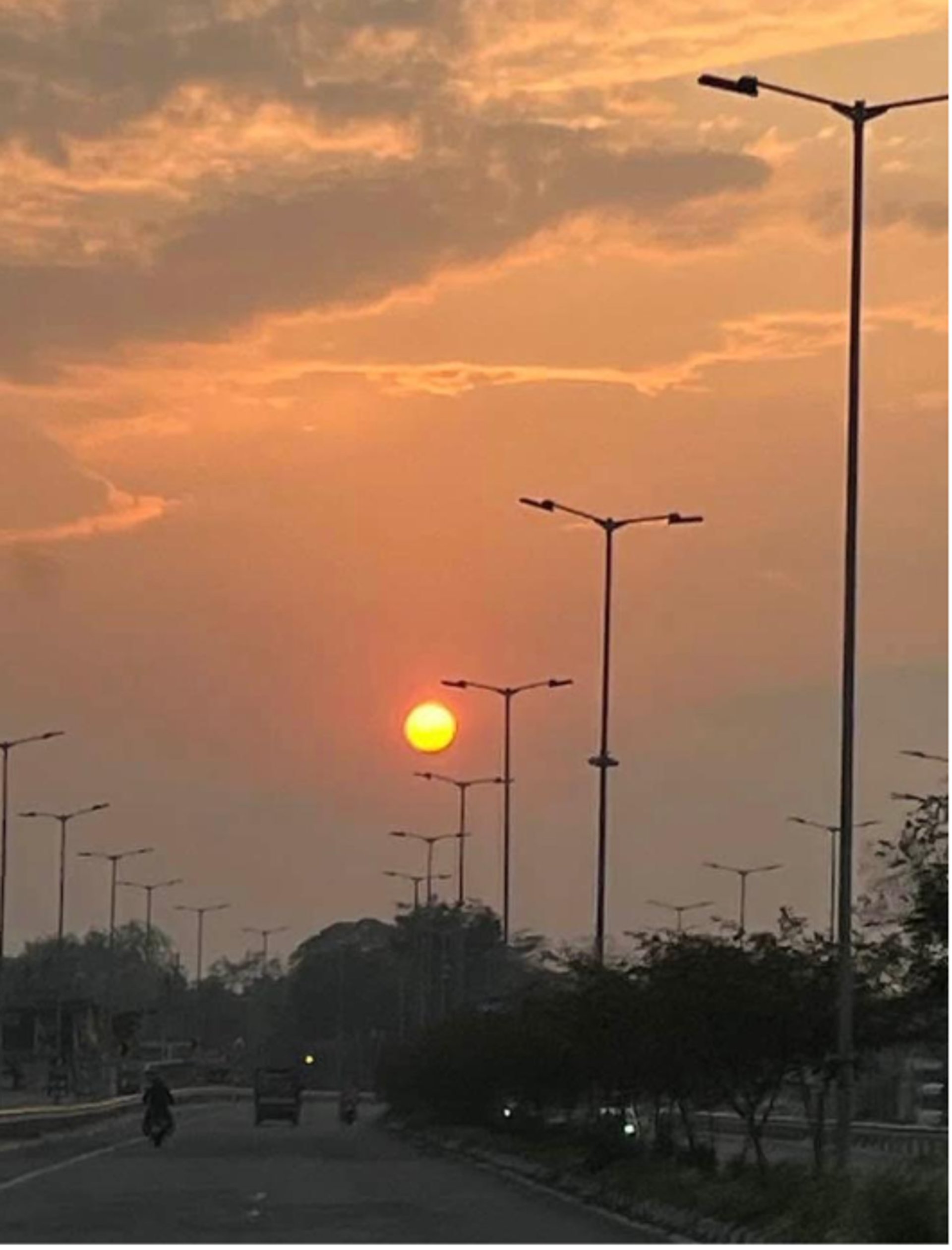
Sunshine
In which evening’s moon-kissed light
did I turn my face and speak?
On the sleeve of a bewildered wanderer
I wiped my stain—
was it golden sunlight,
or the golden tidings of sunlight?
The words were utterly irrelevant,
or perhaps deliberately unorthodox;
from here began
the unrestrained torment of awareness.
Where I stand now,
time possesses a speaking certainty.
Around me, the doors of feeling stand open—
an aching invitation to tenderness,
a boat with white sails
waiting on the far shore.
Now, behind every scene,
sunshine again—
a red ribbon plaited into a crimson braid,
rain thick and clinging,
an afternoon spent
folding boats…
In which evening’s moon-kissed light
did I turn my face and speak?
_______________
October 1991
Editor’s Note
Sunshine unfolds as a meditation on perception, memory, and the fragile beginnings of speech. The poem moves in a circular rhythm—beginning and ending with the same question—suggesting that understanding does not advance linearly but returns, altered, to its point of origin.
Images appear as half-formed recognitions: moonlight, stains, rumours of light, irrelevant words. These are not failures of meaning but signs of consciousness struggling against the tyranny of clarity. The poem resists coherence, allowing dissonance and tenderness to coexist.
The figure of Sunshine, marked by a red ribbon and rain-soaked presence, anchors the poem in intimacy and memory. She is less a character than a recurring trace—behind every scene—where feeling, time, and longing quietly assemble. The waiting boat, the far shore, and the act of building suggest readiness without departure, invitation without conclusion.
The poet listens to light that may only be rumour, to speech that begins before certainty, and to tenderness that opens its doors without explanation.
Select language
© 2026. All rights reserved.




Reach out for questions & collaboration
+91-9954060665